7 Health Benefits of Papaya

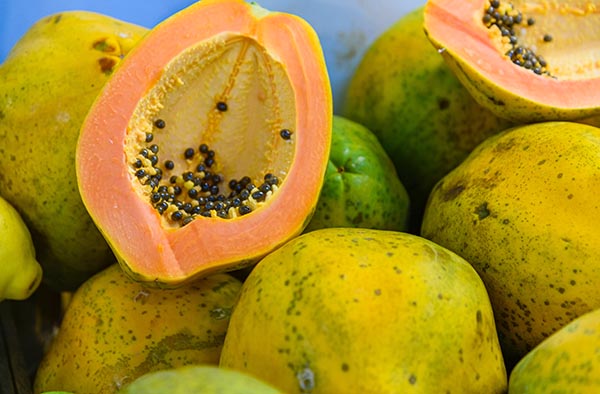
Papaya is an orange-colored tropical fruit with sweet flesh. It is also called papaw or pawpaw and it is native to Mexico and Central America. It is a sweet and tasty fruit loaded with plenty of nutrients. Eating papaya gives many health benefits especially for anyone with a sensitive stomach, irritable bowel syndrome, poor digestion or constipation.
Papaya health benefits

1. Papaya helps relieve constipation

Constipation occurs when stools become hard and difficult to pass. Constipation can happen for many reasons, such as eating unhealthy foods, drinking not enough water, and lack of physical activity. If the food moves slowly through the digestive tract, the colon will absorb more water and the feces will become harder.

Papaya fruit is a good source of dietary fiber that helps prevent constipation. The fiber absorbs water in the digestive tract and becomes soft and bulky. This gives the stools smooth consistency and makes it easy to pass.

2. Papaya is good for gut health

Eating papaya helps with indigestion and heartburn. The reason papaya is good for gut health is mainly due to the enzyme papain that helps with the digestion of proteins. Papain is often sold as a supplement for digestion to help with bloating and heartburn.

Papain is a proteolytic enzyme extracted from the raw fruit of the papaya plant. Proteolytic enzymes help break proteins down into smaller fragments called amino acids. This is why papain is a popular ingredient in meat tenderizer.

You can get papain from eating raw papaya fruit.

3. Papaya gives you smooth, shiny, and younger-looking skin

Papaya is loaded with vitamin C and beta carotene. Vitamin C is necessary to produce collagen fibers which are a main structural component in the skin. Vitamin C is a potent antioxidant that helps reduce tissue-damaging molecules called free radicals.

Free radicals are active molecules produced during metabolism. They damage healthy tissue in various parts of the body including the skin. Free radicals are the main cause of skin wrinkling and aging.

Some studies have shown that vitamin C may help prevent skin damage by ultraviolet (UV) radiation from the Sun. These UV rays cause skin cancer.

Papaya contains large amounts of beta carotene which is converted to vitamin A in the body. Beta carotene in raw red-fleshed papayas is easy to absorb by the digestive system compared to raw tomatoes and raw carrots.

Beta carotene is an antioxidant that protects the skin. Papaya creams are available on the market to help with various skin conditions.

4. Papaya gives you essential nutrients

Papaya has plenty of minerals like phosphorus, iron, potassium, copper, manganese, calcium, and magnesium.

Minerals help your body grow, develop, and stay healthy. The body uses minerals to perform many different functions such as heart-pumping, building strong bones to transmitting nerve impulses.

5. Papaya lowers cholesterol

Cholesterol is a fatty substance that is carried around the body in the blood. The body produces most of the cholesterol naturally. It is also is found in some foods such as meat, eggs, and milk.

Although some cholesterol is needed for your body to function, too much cholesterol can lead to health problems. The extra cholesterol builds up in the walls of the arteries, forming plaques that can block your arteries, making it harder for blood to flow through.

Dietary fiber in papaya and other fruits helps lower the cholesterol levels in the body.

6. Papaya boosts your immunity

The immune system defends the body from infection and other harmful substances. It is made up of a complex network of cells, tissues, and organs in your body. A Weaker immune system leads to frequent infections in the body.

Vitamins and minerals are essential for the immune system function. Adding papaya in your diet will give you plenty of nutrients that can boost your immunity.

7. Papaya reduces inflammation in the body

Inflammation is an important function of the immune system’s response to injury and infection. It is the body’s way of signaling the immune system to heal and repair damaged tissue, as well as defend itself against harmful pathogens, such as viruses and bacteria.

However, if the inflammatory process goes on for too long or if the inflammatory response occurs in places where it is not needed, it can cause various problems in the body.

Chronic inflammation has been linked to certain diseases such as heart disease. It can also lead to autoimmune disorders, such as rheumatoid arthritis, lupus, and inflammatory bowel diseases.

The antioxidants and vitamins in papaya help reduce chronic inflammation in the body.

Summary

Papaya is a sweet, tasty fruit that gives you many health benefits such as preventing constipation, maintaining healthy skin, and boosting your immunity. Select fresh papayas with reddish-orange skin that are soft to the touch. You can cut them into halves, scoop out the seeds, and enjoy the sweet flesh.

Avocado for constipation

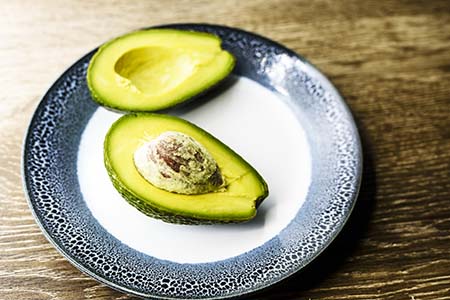
Avocado is a healthy fruit, much loved for its creamy texture and taste. It is mainly used in sweet dishes like milkshakes, ice creams, and cakes.

Like all plant foods, avocados are a good source of fiber with around 4g per 100g, which is just over 10% of the recommended daily intake for adults. Fiber helps to keep our digestive system healthy by regulating the bowel movements.

Avocado for constipation

Constipation means that you are not passing stools regularly or you’re unable to completely empty your bowel. Constipation can also cause your stools to be hard and lumpy, as well as unusually large or small.

Including adequate amounts of fiber in your diet helps prevent constipation. The dietary fiber is a type of carbohydrate that cannot be digested by our digestive system. It is found in edible plant foods such as cereals, vegetables, nuts, and fruits including avocado. Fiber allows more water to remain in your stool, making it softer, larger, and thus, easier to pass through your bowel. So, eating more fiber-rich foods combined with drinking plenty of water is a natural way of relieving constipation.

Because of its high fiber content, avocado helps relieve constipation.

Other health benefits of avocados:

  • Avocados are rich in healthy monounsaturated fats that are good for your body.
  • They have a broad spectrum of vitamins such as vitamin C, vitamin E, Vitamin K and B vitamins like B5, B6 and folic acid.
  • They have significant amounts of valuable minerals like manganese, copper, magnesium, and potassium.
  • They contain phytosterols that have anti-inflammatory and cholesterol-reducing properties.
  • Avocados have powerful antioxidants that help defend your cells from damage caused by potentially harmful molecules known as free radicals.

Six ways to eat avocados:

  • Top your breakfast toast with slices of avocado and scrambled egg.
  • Add sliced avocado to your lunchtime salad burrito.
  • Use avocados in place of butter or margarine.
  • You can use avocados to make a smoothie or milkshake.
  • You can use them in cakes recipes as a great dairy substitute.
  • You can make avocado Ice cream with lemon flavor.

Bottom line:

Eating avocado is good for your digestive system. It helps with constipation and other bowel problems. Avocados give you other health benefits as well, such as reducing your cholesterol, providing vitamins and minerals, making your skin healthy, and reducing inflammation in the body.

Back Pain and Constipation

Constipation means abnormally infrequent bowel motions or difficulty when passing stools or passing small, hard stools. It is one of the most common digestive problems in the United States and other parts of the world.

Can constipation cause back pain?

Yes, constipation can cause back pain. I will explain it in detail.

constipation back pain

Our backbones (vertebrae of the spine) are separated by soft plates called the intervertebral discs, made up of cartilage. The discs form cushions between the backbones and act as a shock absorber. Too much pressure on the discs can cause the discs to prolapse. slipped intervertebral disc is one of the main causes of lower back pain. The pressure on the discs depends on your posture. Lying flat on a firm surface produces minimum pressure and standing causes considerable pressure on the discs. Sitting and bending cause double the pressure as of standing.

Guess what? You have chronic constipation. You spend lots of time in the toilet with a bent, seated position and strain a lot to pass stools. That situation creates maximum pressure on the intervertebral discs. The discs protrude from their original position and irritate the nerves. You get terrible back pain.

Now you want to take medications for the back pain. You know that taking Panadol is not going to help much. So, you take stronger pain tablets such as Panadeine or Panadeine Forte, that contain codeine.

Codeine and many other medications make constipation worse.

The next day, your constipation got worse because of codeine. You cannot pass even a small piece of hard stool. You bend and strain more to pass stools. Yes, you are trapped in a vicious cycle. Severe constipation can cause impacted stools in the rectum. The impacted feces can give pressure on pelvic nerves. That is another reason for your back pain.

How to fix back pain due to constipation?

Eating healthy, fiber-rich vegetables and fruits is the first step you need to take. Sweet potatoes, apples, flaxseeds, and avocados are good sources of dietary fiber. In addition to eating them, you need to drink more water. Regular use of a fiber supplement such as Metamucil can help you have easy bowel movements. You can also try a laxative or stool softener. If your back pain is not getting better, you should see your doctor.

Does peanut butter cause constipation?

Peanut butter is a paste or spread made from ground dry-roasted peanuts and is a popular food in many countries. It often contains additional ingredients that modify the taste or texture, such as sugar, chocolate, and emulsifiers.

peanut butter constipation

Some foods can cause constipation and indigestion. Peanut butter doesn’t seem to fall into that category of foods.

Peanut butter is loaded with lots of nutrients including protein, fat, vitamins and minerals. It also has a significant amount of dietary fiber that helps relieve constipation.

Peanut butter doesn’t cause constipation. You can add peanut butter in your diet without the fear of constipation. Spread it on whole-grain bread to make it healthier.

Although peanut butter is high in many healthy vitamins and minerals, it also contains a substantial amount of saturated fat and calories. If you are trying to lose weight, peanut butter is not a good choice, instead, you need to eat more fresh vegetables.

Some people have severe allergy to peanuts. Those people should never eat peanut butter or other products that contain peanuts.

Peanut butter is high in fat and calories, with one tablespoon containing around 110 calories. However, peanuts contain mostly unsaturated fats, that are good for your body. It contains some saturated fats, but one tablespoon contains only around 5% of an adult’s recommended daily saturated fat intake.

Peanut butter is also a good source of vegetarian protein. It contains an array of minerals including magnesium, iron, and zinc, as well as the B vitamins and vitamin E.

The best peanut butter varieties to buy are those that have a higher percentage of peanuts as possible. Check the ingredients label before you buy, many brands add extra ingredients such as oil, sugar, and salt to enhance the flavor. These additives change the nutritional profile of the product. Some products which are marketed as ‘reduced fat’ may have added sugar to help them taste good.

There are some different blends of peanut butter available on the market such as coconut and peanut butter, or blends that include pumpkin and sunflower seeds. This can be a tasty variation to try, but again, check the labels to make sure that they don’t contain extra salts, sugars or preservatives in order to make the healthiest choice.

Numerous studies have shown that people who regularly include nuts or peanut butter in their diets are less likely to develop heart disease or type 2 diabetes than those who rarely eat nuts.

Bottom line:

Peanut butter is a healthy food that can be included in your diet with other healthy foods. It does not cause constipation or other bowel problems if you consume it correctly.

Do nuts cause constipation?

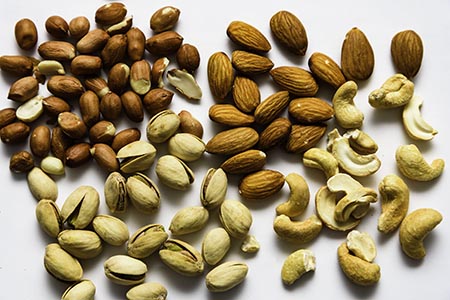
Nuts are fruits composed of an inedible hard shell and a seed, which is generally edible. In general usage, a wide variety of dried seeds are called nuts including almonds, pistachios, hazelnuts, cashews, and peanuts.

Nuts constipation

Nuts are great sources of plant-based protein, good fats, and fiber. They are well known for protective effect on the heart. The American Heart Association recommends eating about four servings of unsalted nuts a week.

Some people think that nuts can cause constipation and other gut problems such as irritable bowel and diverticulitis. Nuts contain a good amount of dietary fiber.

A high fiber diet is good for the gut and helps relieve constipation. Then what is the problem with nuts?

Nuts contain a good amount of dietary fiber. A high fiber diet is good for the gut and helps relieve constipation. Then what is the problem with nuts?

Nuts don’t cause constipation if you eat them correctly.

Nuts are hard to digest if you don’t chew them completely. Undigested bits and pieces of the nuts can clog the bowel and cause problems. Drinking not enough water can make the problems worse.

So, it is recommended to chew the nuts completely before swallowing and drink plenty of water after that.

Like other plant foods, nuts provide a wide range of nutrients, including large quantities of healthy fats, and moderate amounts of protein and dietary fiber.

They also provide a wide range of essential nutrients, including several B group vitamins, folate, vitamin E, minerals such as calcium, iron, zinc, potassium, magnesium, and antioxidant minerals.

Nuts are a healthy food, don’t avoid them in your diet due to the fear of constipation.